Présentation of the TFBCO Railway Heritage
|
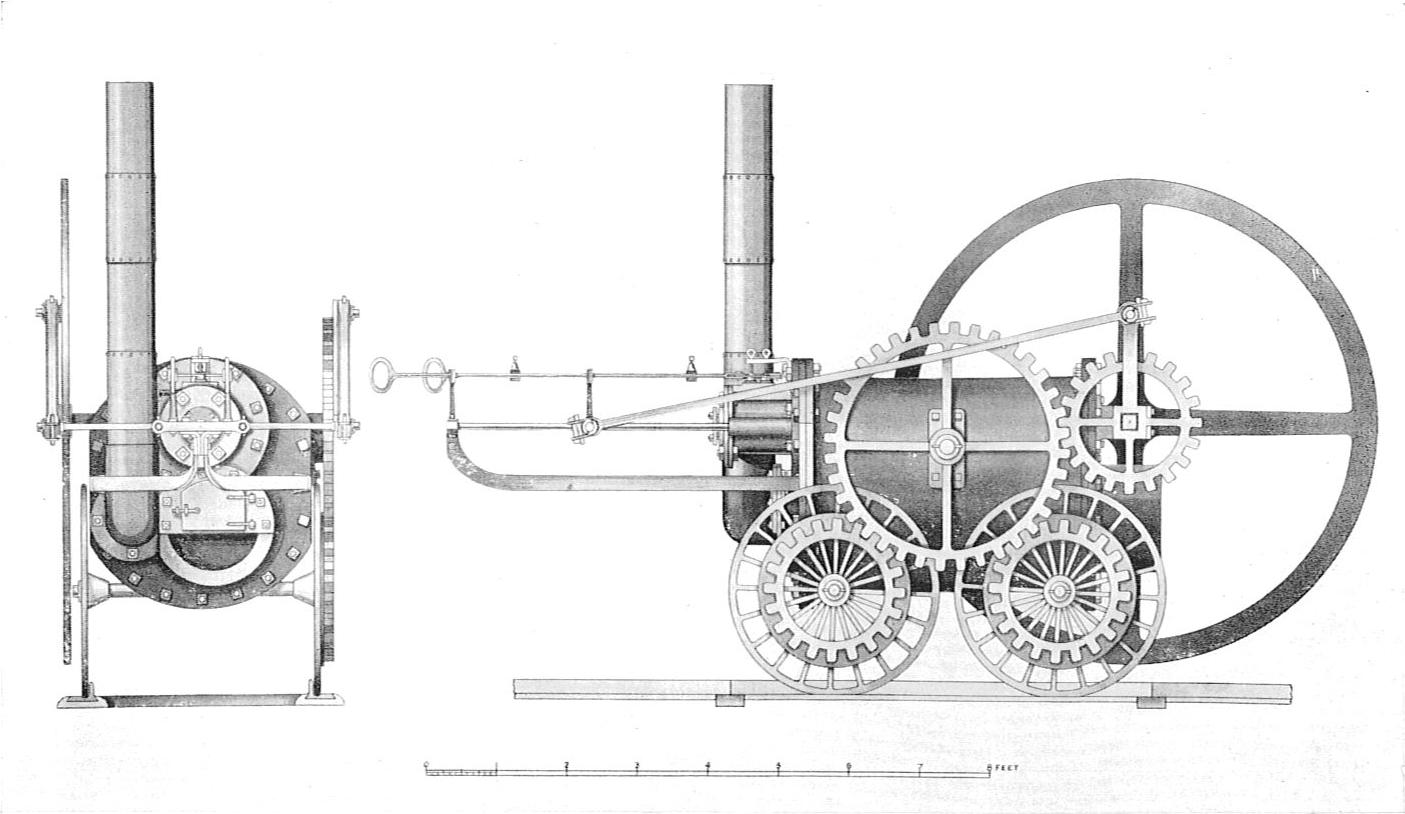
Birth and Development of the Railway : The railway originated in England, where the first steam locomotive ran in 1804 in Pen-y-Darrren, Wales. This innovation marked the beginning of a revolution in transportation and inspired other countries to adopt this technology. In France, the first railway line was opened in 1827, connecting Saint-Étienne to Andrézieux over a distance of 21 kilometers. Originally pulled by horses, this line primarily served coal transport and highlighted the influence of British engineers on French railway development.
Trevithick's Coalbrookdale locomotive, 1803 (British_Railway 1803-1853) (Wikipédia)
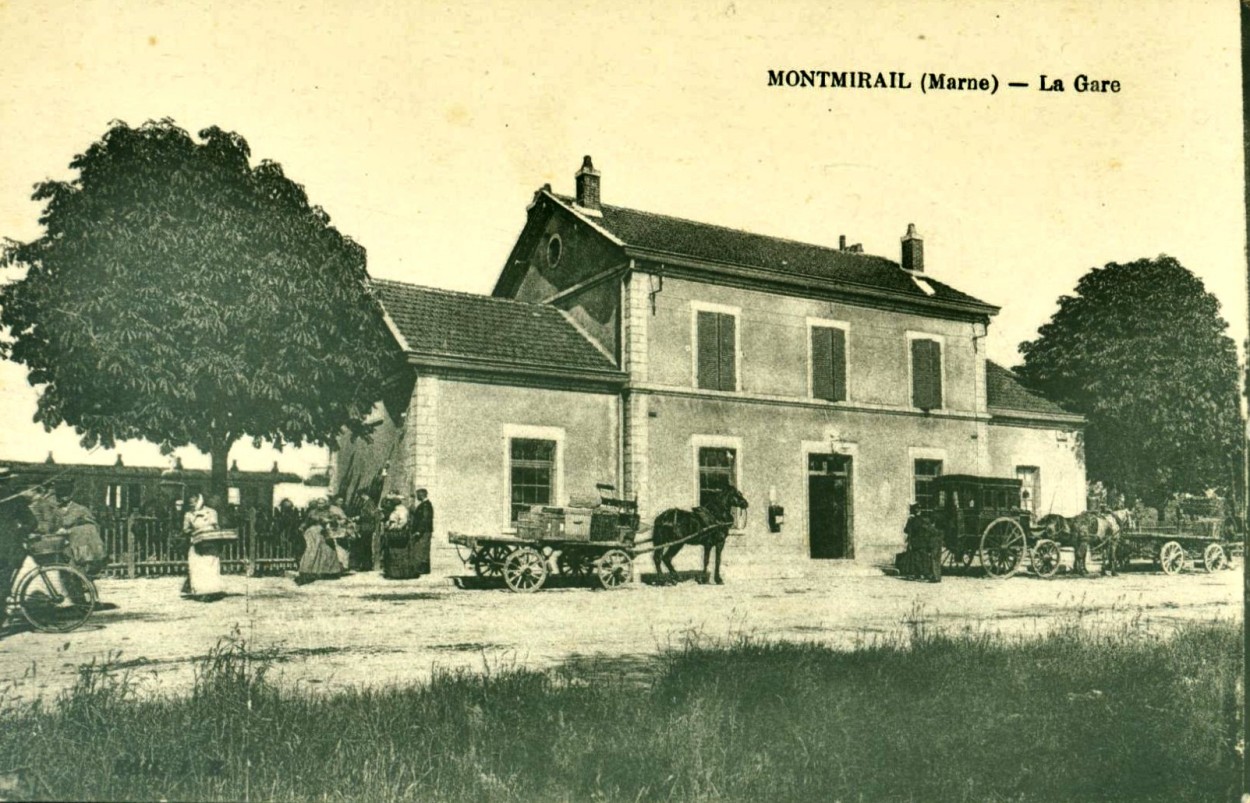
History in Montmirail The railway history in Montmirail began in 1869 with the project of a line from Calais to the Mediterranean via Amiens and Dijon. This project, originally of national interest, was transformed into a local line and divided into several sections. The Amiens-Dijon section, known as the "Ourcq Valley to Esternay line," was commissioned in 1884. This single-track line with a standard gauge of 1,437 meters experienced a heyday until 1914, with five daily passenger trains in each direction. However, it then declined, with passenger service being discontinued in 1953 and the Montmirail-Esternay section being decommissioned in 1970.
The station with the horses
Railway Heritage Buildings: The Montmirail station, built in 1884, is a well-preserved example of the railway architecture of that time. It comprises four distinct buildings: the passenger building, toilets, water tower, and goods hall. The association, owner of the station and water tower since 2015, has carried out restoration work between 2020 and 2021 to preserve the original character. These efforts were supported by various public and private grants, totaling €130,000.
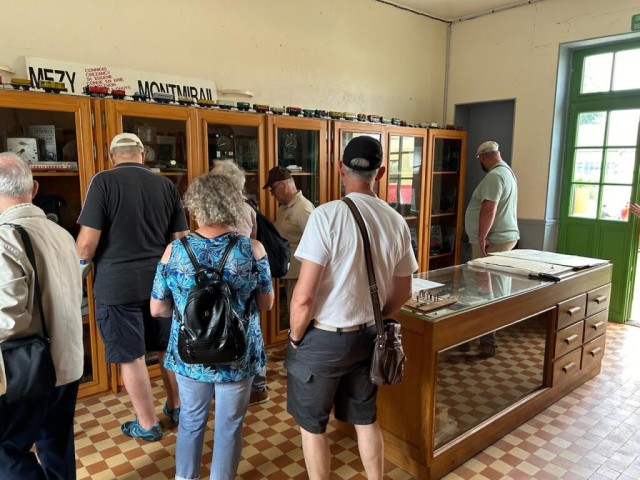
The preserved Station Railway Museum : In 2021, the association launched a fundraising campaign to create a railway museum. Thanks to contributions from across France, the museum now displays over 150 railway objects in the waiting rooms and the water tower.
Museum in the railwaystation The gate-keeper's house :
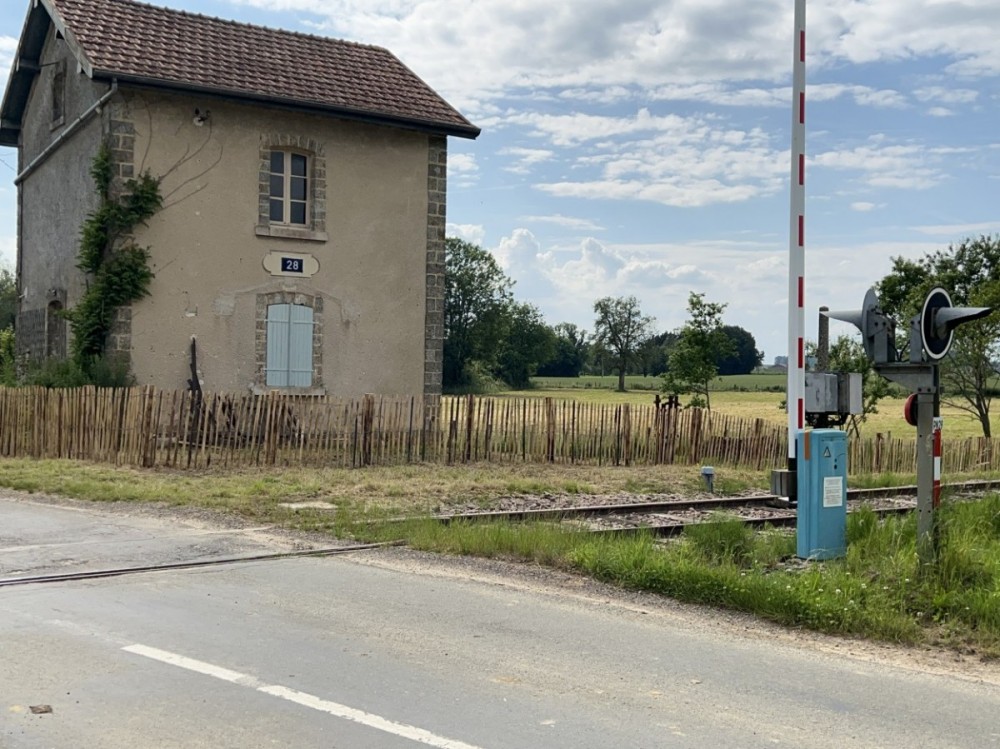
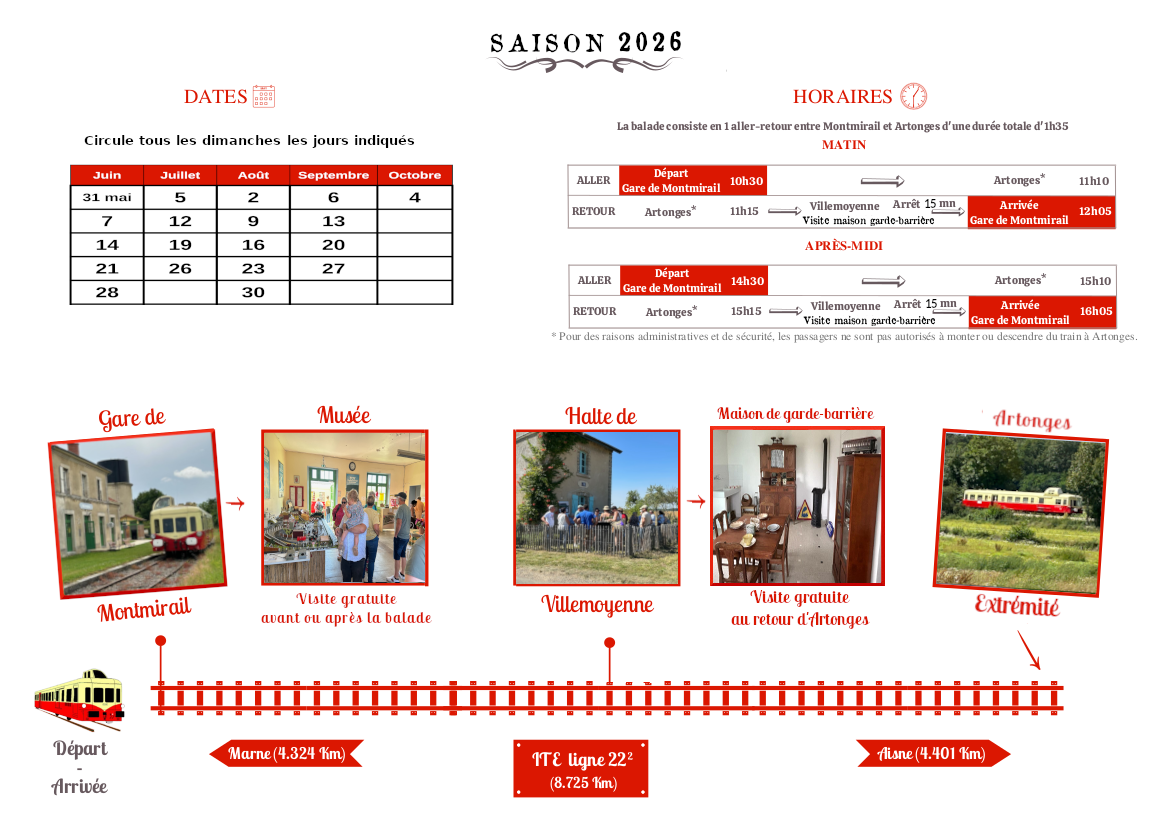
To complement its preservation efforts, in 2021 the association acquired a gatekeeper's house dating from 1884. Located in Dhuys and Morin-en-Brie, this house will be preserved as a model of the period and become an annex to the museum.
The gate-keeper's house in Villemoyenne
Rolling Rail Heritage :
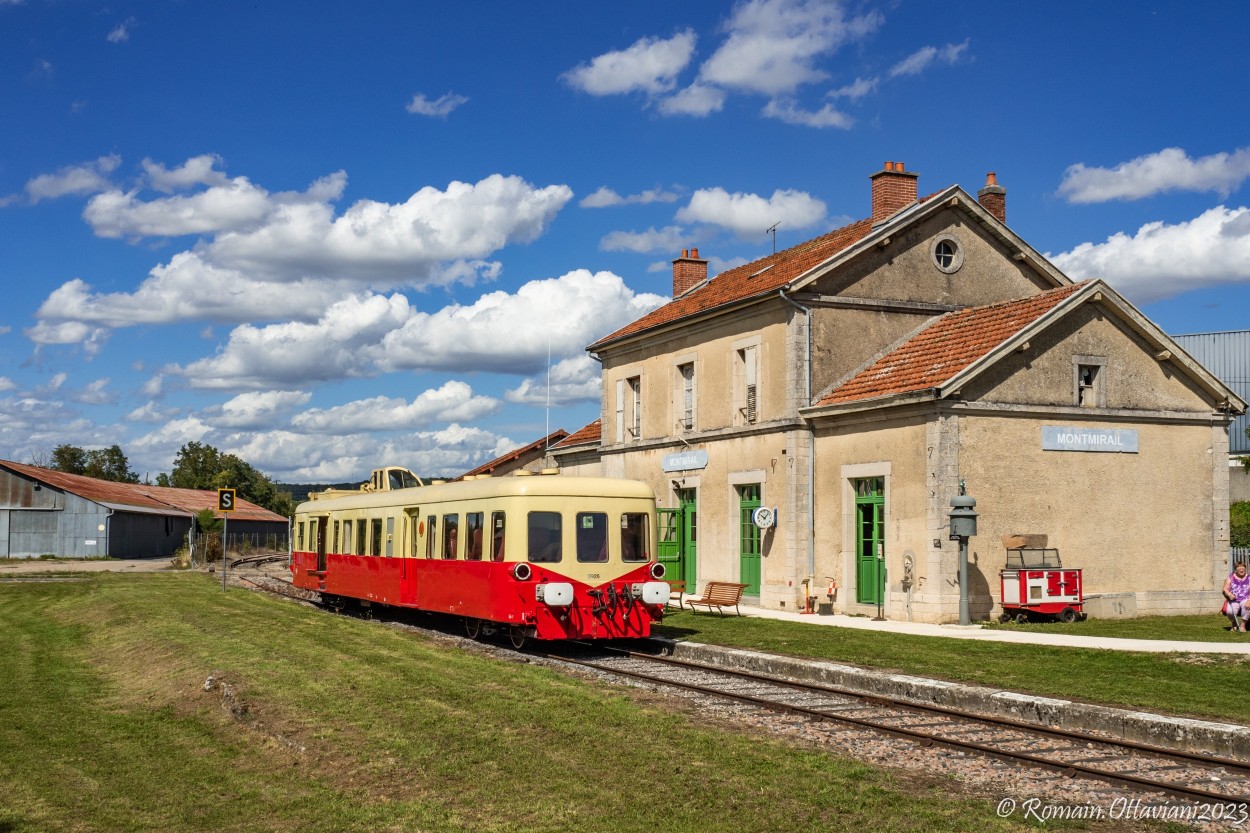
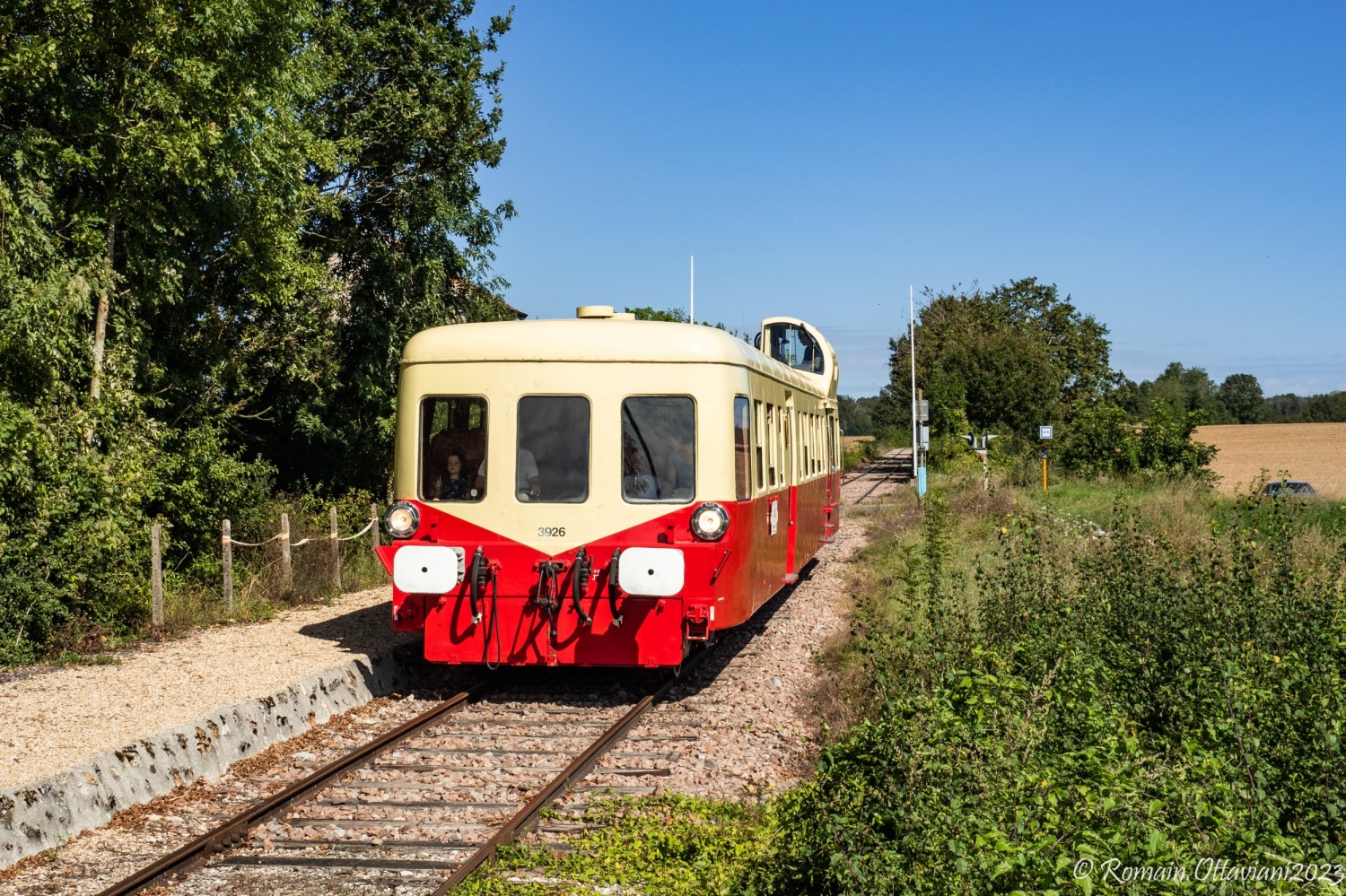
1: The Picasso X3926 railcar : The Picasso railcar, which entered service in the 1950s, is an emblem of French railway heritage. Designed by Renault, it was part of the SNCF's X3800 series, of which 251 were produced. Nicknamed the “Picasso” because of its eccentric driver's cab, it was designed to be robust and economical, running on French branch lines for over 30 years. The example owned by the association, X3926, was put into service in 1955 and ran in several regions before being reformed in 1983. Purchased by the association in 2003, it is one of the few surviving models with a first-class compartment and original seats. .
The Picasso Railcar in Villemoyenne
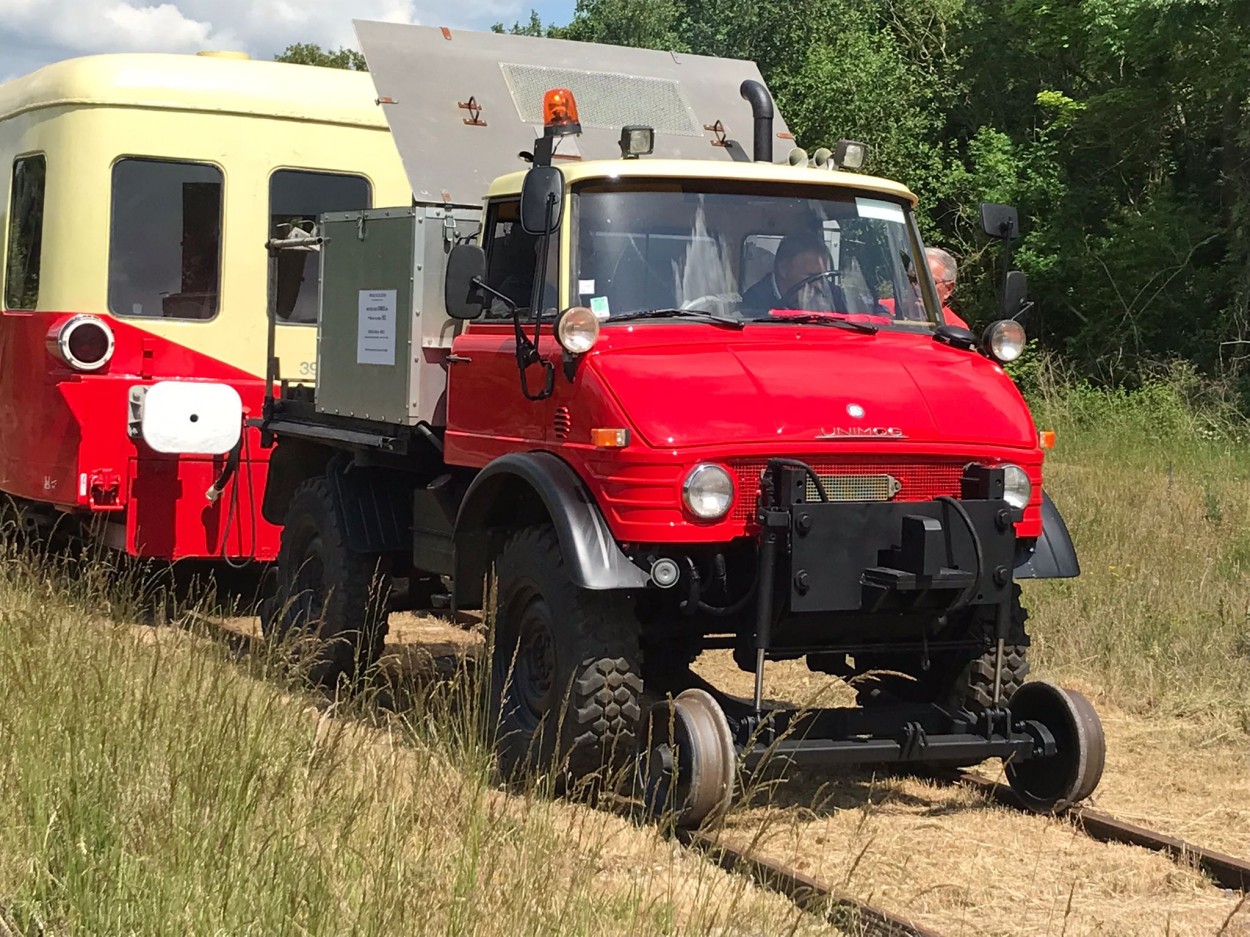
2: The Unimog Mercedes : Acquired in 2021, this road-rail vehicle is used to tow the railcar in the event of a breakdown. Built in 1982, it has been repainted in the Picasso colors and classified as a vintage vehicle by the FFVE.
The Unimog Mercedes
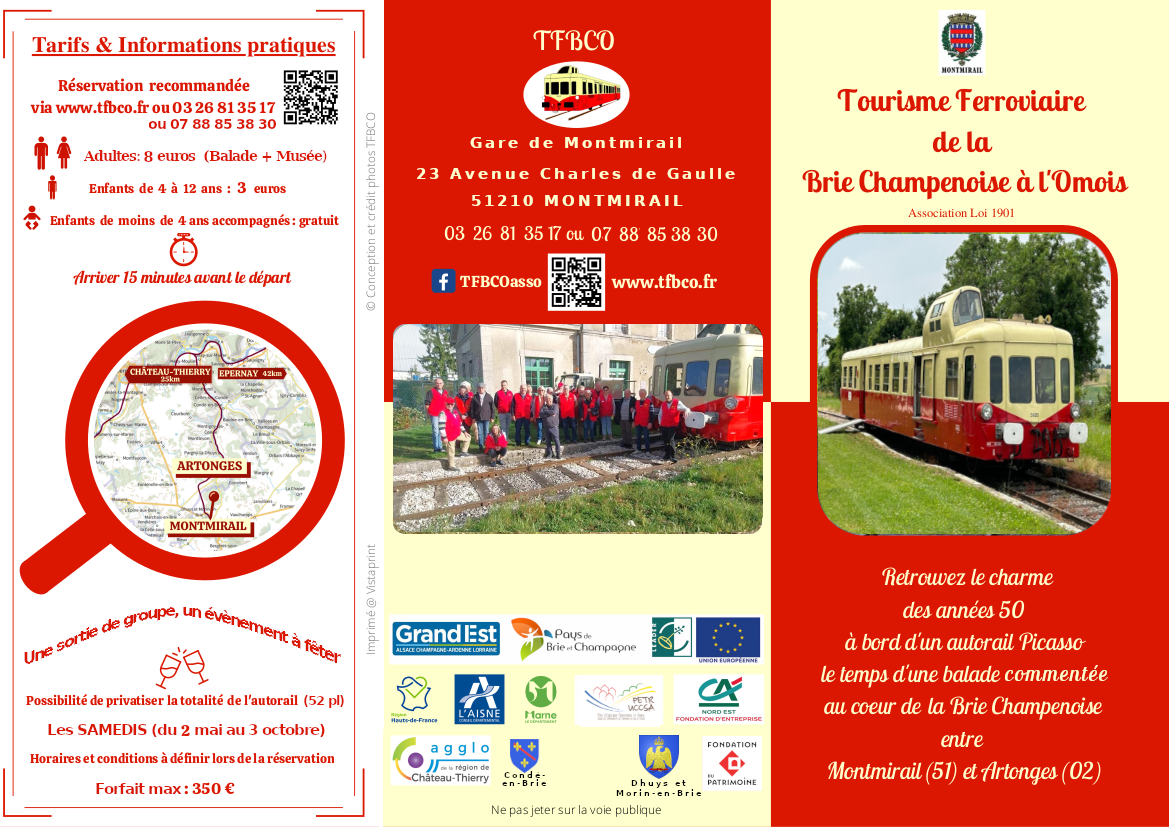
Purpose of the Association : The association is committed to preserving Montmirail's railway heritage and offering unique tourist experiences, with Sunday service between May and September. This detailed summary highlights the historical and cultural importance of Montmirail's railway heritage, as well as the association's efforts to preserve and share it with the public.
|